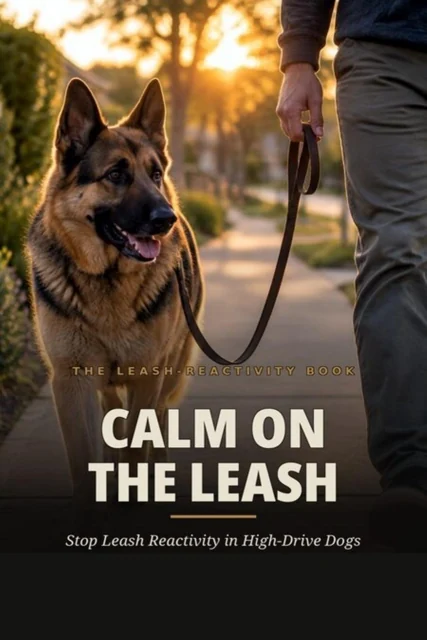
Short answer: Yes, it is common for a new rescue dog to bark and lunge on leash in the first weeks. Everything is new, they are often tired and stressed, and they do not yet trust you or the leash. For now, keep walks short and quiet, stay far from other dogs, skip greetings, and focus on rest and a simple routine. Many dogs relax as they settle in. If lunging continues after the first few weeks, you can start gentle practice at a distance where your dog stays calm.
Why a new rescue dog lunges on leash
Moving into a new home is a big change for a dog. New people, new smells, new sounds and a new routine all arrive at once. Many rescue dogs also carry stress from a kennel, a transport or a past home. A tired, worried dog has less patience, so things they might ignore later can feel too much right now.
The leash adds pressure. On leash your dog cannot move away from something that worries them, so barking and lunging can be a way of saying "go away". Some dogs lunge because they are frustrated and want to greet. Others never walked on a leash before. Shelter behavior is also not always a full preview: some dogs are quiet at first and show more of their real feelings once they relax a little. This is often described as settling in over days, weeks and months.
Quick steps
- Give your dog two to three weeks to settle with a calm, predictable routine.
- Keep walks short, at quiet times, on quiet streets.
- Spot other dogs early and turn away or cross before your dog fixes on them.
- Say no to on-leash greetings for now.
- Use small, tasty treats and reward your dog for looking at you or at a dog far away.
- Start gentle distance practice once your dog is relaxed at home.
Give them time to settle first
In the first two to three weeks, your main job is to help your dog feel safe. Keep the days predictable: meals, potty trips, rest and quiet time at about the same times each day. Plenty of sleep matters. A dog who rests well usually copes better outside.
It is fine, and often kinder, to make walks very small for now. A few minutes around a quiet block, or potty trips in the same calm spot, are enough. Add sniffing, chewing and simple food games at home. Our guide to a new rescue dog's first week has more on helping a shy dog settle.
Keep walks calm and short
Pick quiet times and quiet streets. Bring tasty, small treats and a well-fitting harness and leash. Walk where you can see far ahead, so you can spot other dogs early. When you see one, turn around or cross the street before your dog fixes on it. Your dog does not have to "face it" to get better.
Watch your dog's body. Early signs of stress on a walk include a stiff body, a hard stare, ears pinned or pricked forward, lip licking, sniffing frantically or refusing food. See the early signs your dog needs space. When you see these, add distance and slow down. If a walk goes badly, that is information, not failure. Keep the next one shorter.
Skip greetings for now
Friendly neighbors will want to say hello, and other owners may ask if the dogs can meet. For a new rescue dog, it is usually best to say no for the first weeks. A simple "She's new and needs space, thanks!" is enough. Close, face-to-face greetings on a tight leash are one of the most common triggers for lunging.
Also give your dog a break after a stressful moment. Stress can build up over a few days, so a dog may react more after a busy weekend. Read why a dog reacts to a familiar trigger to learn more about this.
When to start practice, and when to talk to your vet
Once your dog is eating well, sleeping well and starting to look relaxed at home, you can begin gentle practice. Find a spot where another dog is visible but far enough away that your dog can still take treats and move normally. Let your dog look, then reward, then walk away. Short sessions, a few times a week, add up. For more detail, see our start-here page for barking and lunging on leash.
If your dog seems to be in pain, has sudden changes in behavior, or you are worried about their health, talk to your vet. And if lunging means you cannot hold the leash safely, choose the quietest walking times and routes for now while you build up practice slowly.
Common questions
How long does it take a rescue dog to settle in?
Every dog is different. Many people notice a first change after a few days, more relaxation after a few weeks, and a dog who feels truly at home after a few months. Lunging on leash often eases as the dog settles, but some dogs need patient practice too.
My rescue dog was fine with dogs at the shelter. Why is he lunging now?
Shelter settings are very different from a sidewalk on a leash. Some dogs are quiet when stressed and show more of their real feelings once they relax in a new home. The leash also removes their ability to move away. It does not mean you did something wrong.
Should I let my new rescue dog meet other dogs on walks?
It is usually best to skip on-leash greetings in the first weeks. Close greetings on a tight leash are a common trigger. Focus on calm walks at a distance first.
Should I return my rescue dog because he lunges on leash?
Lunging in the first weeks is common and often improves as a dog settles and gets calm practice. Give it time, keep walks simple, and plan around the hardest moments. If you are struggling, reach out to your rescue or shelter; many offer support after adoption.
Sources & care notes
This article is general education, not veterinary or legal advice. If your dog seems unwell, is in pain, or something changed suddenly, call your vet. If it could be an emergency, do not wait.