 The Walking Club
If your puppy is biting more and chewing everything around month four, teething is often part of the reason. It passes. What you teach during it stays.
The AKC says puppies start losing baby teeth around the time they come home, and you may find rice-sized teeth around the house. By about six months, the puppy teeth have usually fallen out and the adult teeth have come in. Adult dogs have about 42 teeth. The AKC notes this process is painful. For more on this, see Puppy Biting: What Helps.
Give your puppy things that are legal to chew: safe chew toys, and food games. Put a toy within reach in each room. When the mouth opens toward skin, give the toy first. Praise the swap. If teeth meet skin, calmly stop the fun and end the play for a moment.
An overtired puppy bites more. Make sure your puppy gets naps in a quiet place, away from kids and noise.
Do not punish your puppy for chewing. Do not give items that can break teeth or splinter. Ask your vet what chews are safe for your puppy's size and age.
Teeth are not coming out as expected, adult teeth come in beside baby teeth, or your puppy will not eat. Your vet can check the mouth.
If the biting is hard, frightening, or does not ease as the months pass, ask a qualified reward-based trainer or your vet.
This article is general education, not veterinary advice. If your dog seems unwell, is in pain, or something changed suddenly, call your vet. If it could be an emergency, do not wait.
Choose what fits. Nothing is saved or submitted.
The article is the start. The guide is the full method.
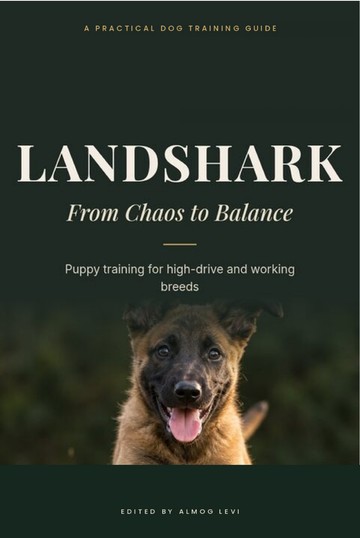 LandsharkThe complete guide to the biting months · $9.99Read the guide →This guide is part ofThe Full House PackFive guides for everyone under your roof.
Describe your dog's problem and get the guidance that fits. No account needed to look.
Describe your dog's problem →