Short answer: Puppy biting is common during play and exploration, and the most helpful response is to offer a toy before play gets wild, pause calmly when teeth land on skin, then redirect to the toy. Make sure your puppy gets enough rest, potty trips and suitable activity, because tired or overexcited puppies bite more. Avoid yelling, pinning or physical punishment, which can add fear or frustration.
Is puppy biting normal?
Mouthing is common, but "puppy" doesn't explain every bite. Notice the pattern: what happened just before, whether your puppy's body is loose or stiff, and whether anyone has been hurt. Overtired puppies often bite more, so check rest first; see puppy fights naps?
How do I stop my puppy biting, step by step?
- Keep a toy handy. Have a suitable toy nearby whenever play starts, and offer it before your puppy grabs hands or clothes.
- Reward toy play. Praise and keep the game going when teeth are on the toy.
- Pause when teeth hit skin. Stop moving your hands if it's safe. Don't wave them or turn clothing into a tug game.
- Redirect. When your puppy lets go, offer the toy.
- Take a short break if it keeps happening. Step behind a gate or door for a moment, then come back with a calmer activity.
- Calm things down. If play gets frantic, switch to something quieter, like a sniff game or a chew.
- Protect rest. Give your puppy undisturbed sleep, plus age-appropriate activity and potty trips.
Should I use a crate time-out for biting?
There's no universal confinement rule for biting. Don't shut a distressed puppy in a crate to stop them. A quiet rest opportunity in a familiar, comfortable spot is different from forced isolation. Introduce any crate or pen gradually; see crate training first steps.
What mistakes make puppy biting worse?
Treating every bite as harmless teething, letting your puppy practice on skin, running or squealing, tugging clothing, and harsh corrections. These can add excitement or fear without teaching your puppy what to do instead.
When should I get help?
If a bite breaks skin, wash it and get medical advice. If your puppy goes stiff, freezes, guards food or toys, bites hard or repeatedly, changes behavior suddenly, or anyone feels unsafe, separate children and vulnerable people and ask your vet and a qualified reward-based behavior professional for an individual assessment. Pain, fear and frustration can all change the plan.
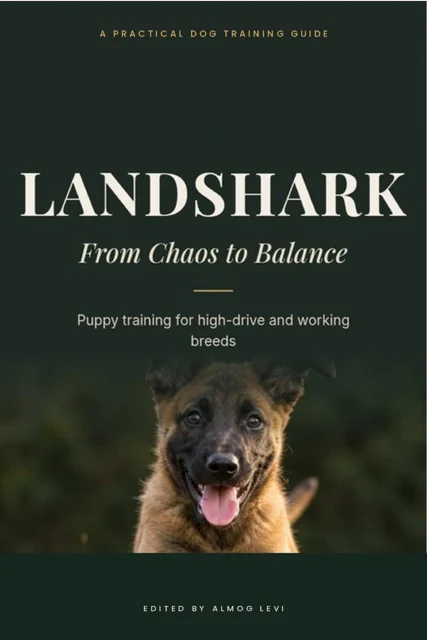
For a fuller plan through the biting months, Landshark is our guide to surviving puppy biting. The first chapter is free to read on the site.
Does one of these sound like yours?
Choose what fits. Nothing is saved or submitted.
Sources & care notes
Sources: Dogs Trust, mouthing, nipping and puppy biting. Dogs Trust, helping your puppy settle into your home.
This article is general education, not veterinary advice. If your dog seems unwell, is in pain, or something changed suddenly, call your vet. If it could be an emergency, do not wait.
Frequently asked questions
Is puppy biting normal?
Mouthing is common during play and exploration, but the pattern matters more than the age.
What do I do when my puppy's teeth land on skin?
Pause movement if it's safe, and when your puppy lets go, offer a toy instead of your hand.
Should I yelp or push my puppy away?
No. Waving hands, squealing or pushing can wind the puppy up more. A quiet pause and a toy work better.
Does biting mean my puppy needs a crate time-out?
No. There's no universal confinement rule, and shutting a distressed puppy in a crate can make things worse.
When will my puppy stop biting?
There's no promised age. Consistent redirection and good rest help, and hard or unusual bites need an individual assessment.